How to Play Poker Like a Pro: Key Strategy Guide
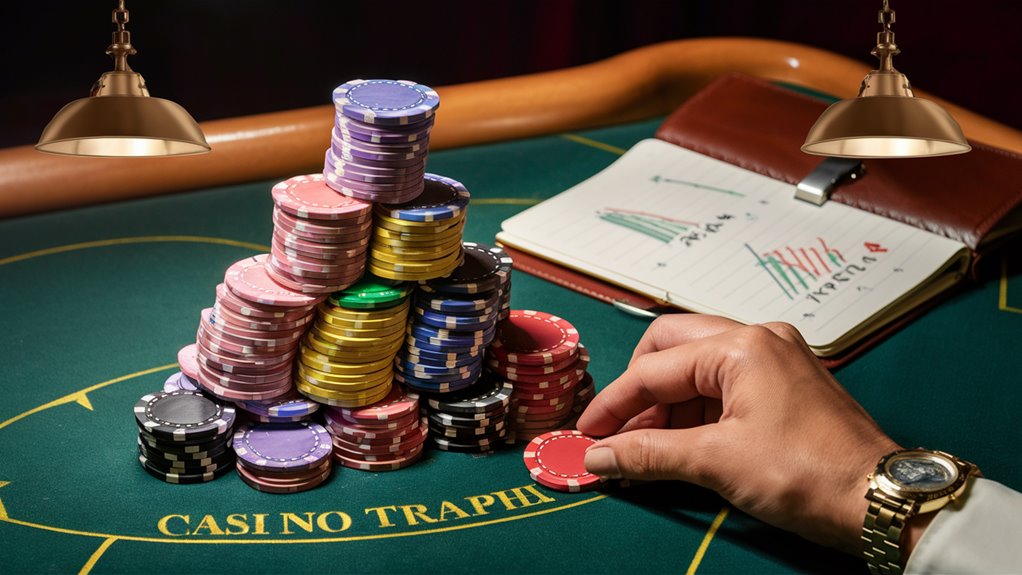
To play poker like a pro, learn to focus on five main parts that set the best apart from the rest.
Key Math in Poker
Poker math is the main building block for playing like a pro. Top players know how to work out pot odds, do quick value checks, and break down hand ranges. These math skills help them make smart choices at key times. 이 사이트에서 자세히 보기
Reading Players and Keeping a Poker Face
Pros are great at picking up body language and bet patterns and keep a smart image at the table. By getting to know their foes and using what they see, they turn good plays into great ones.
Smart Money Rules
Smart money rules are must-haves for not losing it all. Pros keep at least 20 buys for cash games and 50 buys for events. This careful plan keeps them going even when they lose some.
Strong Mindset Mastery
Staying calm and thinking clear set pros apart from casual players. The best ones can cope with losing, stay sharp for long times, and always make solid choices, no matter if they just lost or won.
Top Event Playing Tactics
Smart event plays change with the size of your chip stack and stage of the event. Knowing ICM moves, how to play the bubble, and end game plans lets pros use every edge they get in events.
All these parts work together to make a strong pro poker game plan, setting the stage for steady wins over time.
Knowing Poker Math: A Full Guide
Main Math Ideas in Poker
Poker math is key for wise choices at the tables.
While mind play is big, knowing pot odds, implied odds, and expected value (EV) gives you a big edge in both cash games and events.
Figuring Out Pot Odds and Equity
Pot odds show the link between the call cost and the total pot size.
For a $10 bet in a $40 pot, you see 4:1 odds. Smart players weigh their hand value versus these odds before they act. Surface for Dealer Vulnerabilities
Implied odds think ahead about future wins when on drawing hands, giving you a deeper math look beyond just now.
Expected Value (EV) in Poker Choices
EV checks weigh the long-run worth of poker plays.
By timesing each likely end by its chance, players find +EV spots, no matter the ups and downs of the game.
This math focus digs into core ideas over big sums:
- Pot odds reviews
- Hand value checks
- Implied odds looks
- EV work ups
More Math Uses
Putting these math parts together forms a system for poker choices.
Players need to be quick with:
- Range work ups
- Fold value guesses
- Stack-to-pot numbers (SPR)
- Break-even points
Using poker math all the time makes for better plays and more money over time.
Learn to Read Poker Player Acts
Knowing Body Signs in Poker
Body signs tell you how strong or sure a player feels.
Watch for hand shakes, breathing rates, pose shifts, and chip moves.
When players tighten up suddenly or sort chips well, they may feel unsure. But acting cool or moving easy often means they hold strong hands.
Seeing Bet Patterns
Bet trends give clues about how others play and guess.
How much they set down tells you a lot when they change from their usual. For example, if a player always bets 3x the big blind and goes to 5x, they might have a top hand.
Keep track of these move twists to spot true patterns.
Getting Timing Tells
Timing hints show what’s behind a choice.
Quick acts often mean they had a plan and might have strong hands, while slow picks could mean they’re unsure. Knowing these time hints helps guess their moves and aims.
Growing Reading Ways
Boost these skills by watching other players closely.
Note and check how they tend to act, their bet hints, and tweak how you play based on what’s confirmed.
Keep in mind that smart players might use false hints to fool you. Stay aware that they may hide their real plans with fake moves.
Money Rules Needed for Poker Wins

Key Money Guide Bits in Poker
Right money rules are a big part of staying in the game.
Pros make sure to have at least 20 buys for cash games and 50 buys for events for the games they play. This safe zone lets them keep cool and clear in hard times.
Picking Levels and Money Needs
Picking where to play links right to how much money you have to use.
A $2,000 stack means playing at $1/$2 levels with $200 buys, giving you 10 tries in tough games.
Stay out of high levels like $5/$10 needing $1,000 buys, as they risk too much.
Watching Your Money and Level Moves
Close watch on your play lets you move up or down based on how your money changes.
A 30% stop-loss rule asks you to drop down after big losses. Yet, moves up should only happen once you double your first stack.
Stick to a 5% max risk rule per game to keep your money safe.
Splitting Up Your Poker Money
Keeping poker cash separate from spending money is key for pros.
This clear money line keeps game choices clear from other money needs, helping you stick to smart plays through up and downs.
The Mind to Win at Poker: Master Your Mental Game
Building Mental Grounds
Strong money handling sets the ground for poker wins, but knowing the mind bits of poker ends up making you more likely to keep winning.
Winning time after time needs you to manage your feelings well, stay very strict, and really get how people act on a deep level.
Building Toughness in the Mind
Being mentally tough is a must for dealing with the normal ups and downs in poker.
Focus on how well you choose, not just on wins or losses, to keep from tilting and to think clear on plans.
When you lose even if you did everything right, see it as just part of the game, not as a ding on your skill.
Getting Good at Reading Players
Reading others is key, but knowing your own image at the table matters too.
Keep your bets the same and watch how you act while you watch how they time moves, how much they bet, and how they change, showing spots you can use.
Staying True
Knowing yourself and being dead honest about your play are must-do to get better.
Track your games well, look at your hand plays close, and find specific bits you can do better.
The best players mix knowing the tech parts with a deep understanding of poker mind plays and how people decide.
Key Mind Skills
- Keeping cool under stress
- Sticking to the plan always
- Seeing yourself as you are
- Noticing patterns well
- Pushing through hard times
Smart Plays for Big Poker Events
Key Changes for Events
Event strategy is different from normal games, needing smart tweaks based on how many chips you have, how blinds change, and ICM plays.
Early on with lots of chips, play it safe focusing on only the best hands and keeping your chips. This plan builds a strong stack for later.
As Blinds Go Up and Chips Move
As the event moves on and blinds grow, you need to change how you play. Stealing blinds becomes key, especially from the back spots.
Use a bigger defending range from the big blind against raises. Knowing stack-to-pot ratios and using ICM to your advantage during bubble times and pay jumps gives you big edges.
Playing Smart in Late Stages
Late game plans focus on using short stacks while staying out of big stack fights.
With less than 15 big blinds, knowing when to push or fold is key to stay in the game. Big keys to win include:
- Always checking the table feel
- Changing based on how chips sit
- Knowing how payouts change things
- Using event math right
Use smart spots, know your chips, and stay aware of event stages to max out your chances in big games.