Top Easy Songs for Starters: Key Guide

Starting Out with Guitar Solos
The road to being good at guitar solos starts with basic skills using the minor pentatonic scale. Two great first songs are “Knockin’ on Heaven’s Door” and “Sweet Home Alabama”, which show easy patterns all starters should know.
How to Practice
Start slow, using a metronome at 60-70 BPM. Break tough parts into 2-4 bar pieces for easy study. This planned way helps grow: 이 가이드에서 자세한 정보 확인하기
- Clear note hits
- Even timing
- Right finger spots
- Easy scale moves
Key Blues Progressions
After these basics, move to blues classics like:
- “Sweet Home Chicago”
- “Mary Had a Little Lamb”
These tunes build key skills such as:
- Bending strings
- Vibrato moves
- Blues phases
- Loud and soft control
Building Your Skills
Work on clear note hits and even timing before speeding up. These easy solos make a solid start for:
- Good play habits
- Playing with sureness
- Pattern knowing
- Rhythm skills
This step-by-step way gets guitarists ready for harder stuff while building good play skills.
Needed Tools and Gear for Solo Players
Main Music Tools
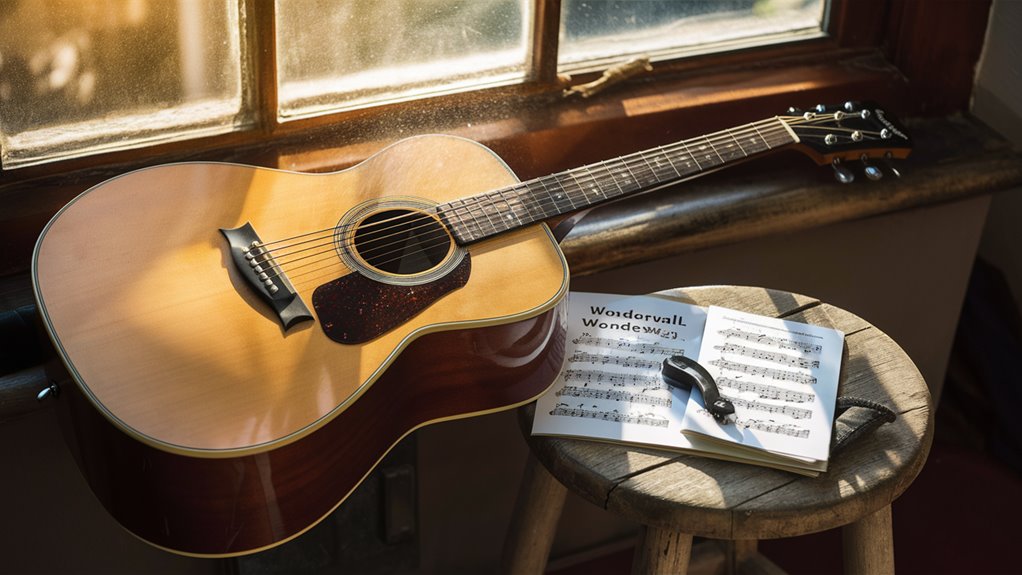
Digital pianos and acoustic guitars are key for new musicians.
When picking a first tool, look for good sound and comfy play within your spend limit.
A weighted 88-key digital piano feels real to touch, while a well-made acoustic guitar makes learning easy. Experience When Traveling
Gear for Practice
Needed practice items are:
- Digital metronome for rhythm
- Proper music stand for good posture
- Exact tuner for pitch
- Places to keep sheet music
- Books for learning methods
Recording and Check Gear
Top recording gear makes practice better. Think about these key recording tools:
- Sound interface for digital record
- Pro mic for voice
- Studio speakers or practice amp
- Software for sound work (DAW)
- Headphones for quiet practice
Your Practice Spot
Set up a own practice place with:
- Sound control setup
- Good light to see sheet music
- Storage for gear
- Air control to keep tools safe
- Little outside noise
Learning Aids
Use full learning aids:
- Books for planned learning
- Web lessons you pay for
- Libraries for sheet music
- Video how-tos
- Journals to track your growth The Evolution of Karaoke
Key Guitar Moves for Starters
Getting the Right Posture and Spot
Good posture is the base of playing the guitar well.
Pick a chair with a straight back and hold the guitar body close to you, letting your fretting arm move free.
Keep your wrist straight and your thumb in the middle at the back for best control and ease.
Getting Finger Spots Right
Basic finger spots need exact put near the frets for clear sound.
The usual finger numbers go 1-4 from pointer to pinky finger.
Press right with each tip to make sharp sounds while keeping your hand easy across the board.
Knowing the Strings
Usual guitar tuning goes EADGBE from low to high.
Learn the strings well by practicing to pick each one, changing between thumb and fingers.
Focus on making sharp, even tones while keeping the rhythm right.
Main Chord Moves
Know key open chords like Em, Am, and D to start strong.
These easy chord shapes need little finger moves, making them great to start with.
Work on easy chord changes at a slow pace, making sure each note sounds clear before going faster.
A Full Guide to Music Notes
The Basics of Music Note Systems
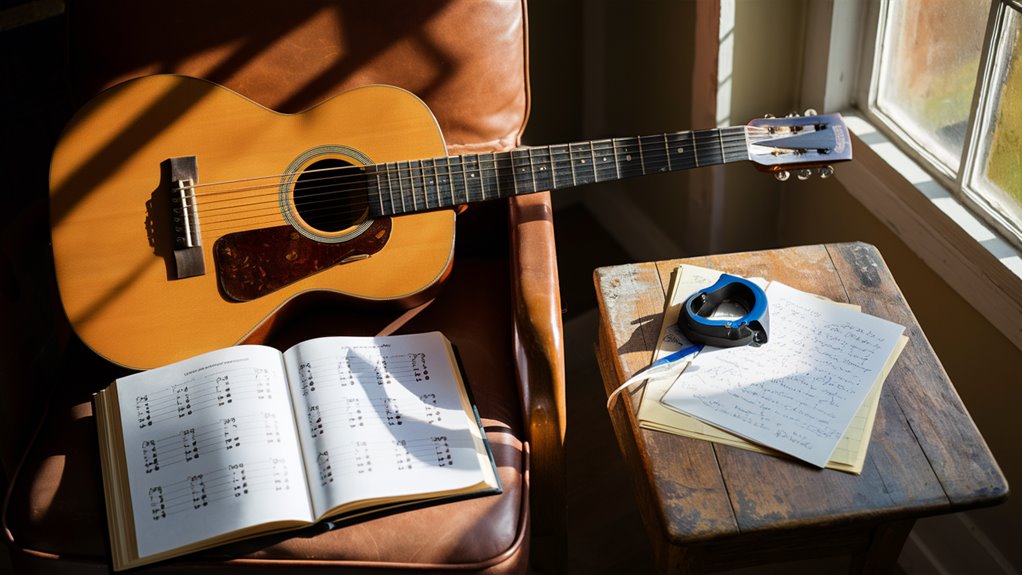
Music notes are the shared speak for musicians, telling how to play any piece on the guitar.
Two main note systems rule guitar music: usual music notes and guitar tab (TAB). While both give good points, TAB is often easier for guitar starters. Themed Karaoke Rooms
Usual Music Notes Told
Usual notes use a five-line staff where notes tell both the high/low sound and beat. Where notes sit on these lines and gaps sets high/low sounds, while note shapes tell how long to play. Needed beat parts include:
- Quarter notes
- Half notes
- Whole notes
Knowing Guitar Tab (TAB)
Guitar TAB shows six lines for each guitar string, easy to spot for guitarists. Here is how it works:
- Bottom line: Low E string (thick)
- Top line: High E string (thin)
- Fret numbers tell where to put fingers
- Number stacks up and down for chords
Mixing Note Systems
Mixing both usual notes and TAB gives the most full way to learn. This mixed way offers:
- Exact finger spots through TAB
- Rhythm skills through usual notes
- Better timing skills
- Full play guide
This mixed way speeds learning and builds full music skills.
Easy Rock Guitar Solos for Starters
Key Easy Rock Solos
Classic rock guitar solos are great for new guitarists.
These known patterns are easy to get and always liked, letting new players build basic skills while playing known tunes.
Top Starter Solo Ideas
Pink Floyd – “Wish You Were Here”
The melodic guitar solo in this Pink Floyd song is a great start. Its known lines and even pace help grow key timing and note skills without too much hard work.
AC/DC – “You Shook Me All Night Long”
This simple pentatonic solo shows basicrock moves with repeat moves.
The easy scale spots and clear beat make it great for getting fast and right.
Guns N’ Roses – “Sweet Child O’ Mine”
The first melodic part is great for single-note clearness and easy finger moves. Work on this first tune before the harder main solo parts.
Top Blues Songs for Guitar Starters: Key Learning Guide
Classic Blues Songs to Know
Blues guitar solos are the start of deep guitar play, giving starters a planned way to get key moves.
The easy lines and deep feel make these solos great first steps for new guitarists.
B.B. King’s “The Thrill Is Gone”
B.B. King’s well-known solo is all about the minor pentatonic scale in B minor.
The even pace and clear tune lines make it an ideal place for new blues soloists. This main song shows key blues phrasing moves while staying easy to get.
Eric Clapton’s “Still Got The Blues”
Built on the A minor pentatonic base, this solo shows key string bending and vibrato moves.
The step-by-step build helps guitarists grow show skills while keeping hold of pace and loud/soft changes.
Key Guitar Practice Tips and Ways
Good Practice Moves for Blues Songs
Begin with your metronome set to 60-70 BPM and up the speed only after three perfect plays.
This planned way builds a strong base for faster speeds later.
Breaking Down Hard Solos
Know solos by breaking them into 2-4 bar bits for focused work. Get each part right by itself before putting them all together.
Often record and look back to find timing and note issues that need work.
Step-by-Step Learning
Follow this proven learning order:
- Learn notes without beat
- Add beats at a slow pace
- Put in bends and vibrato moves
- Grow loud and soft changes
- Keep a relaxed sit during long practice times
Harder Practice Moves
Change between sitting and standing to get used to different play spots.
Practice with and without backing music to get better at timing and note hits. This full way makes sure you can play well in any setting.
Key Practice Parts
- Metronome-led practice
- Planned section work
- Recording and self-check
- Step-by-step speed builds
- Sit changes
- Mixed practice spots